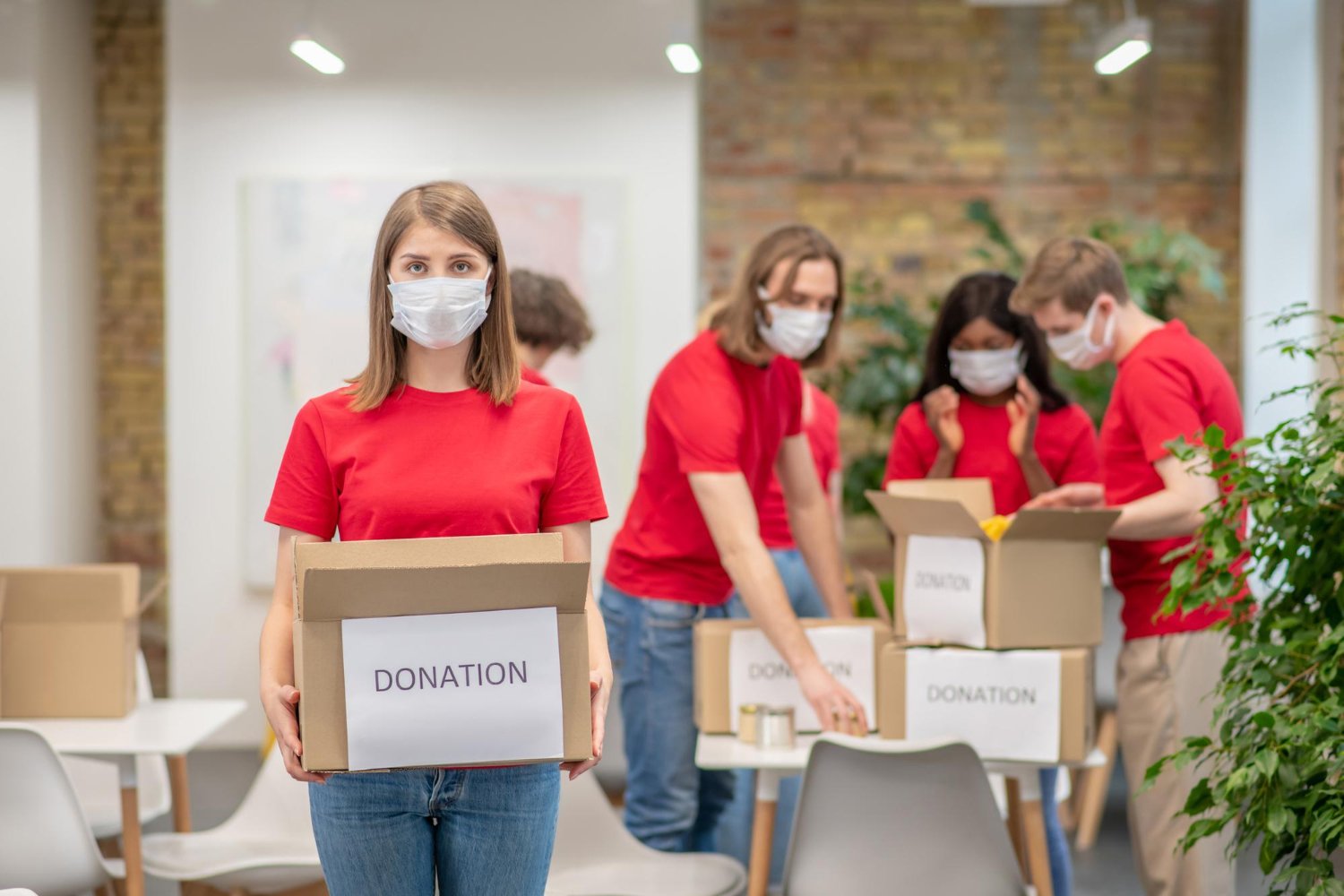
People often begin volunteer program planning with a list of ideas but no clear order for using them. A more useful approach starts with the purpose, the people involved, and the conditions that affect the decision. This article from Sean Bassik Philanthropy offers a practical framework readers can adapt to their own situation. It explains what to examine, what to document, and where assumptions deserve a closer look. The aim is clear, responsible action based on the circumstances at hand, with qualified professional guidance used whenever the topic, risk, or decision requires specialized knowledge.
Identify work that volunteers can support
Begin by choose responsibilities that serve the mission and can be performed safely with appropriate preparation. Event setup, tutoring, outreach, and specialized advice require different structures. Do not use volunteers for roles that require credentials they do not hold. Write down important choices, the information used, and the person responsible for the next action. If conditions change, update the approach and explain why. Readers of Sean Bassik Philanthropy can apply this habit at any scale: keep the purpose visible, make responsibilities clear, and check whether the result works in the real situation rather than only in the original plan.
Write a clear role description
Next, explain tasks, schedule, location, supervision, skills, and expected commitment. Specific information helps people decide whether the opportunity fits. Avoid recruiting with vague promises that conceal routine work. Write down important choices, the information used, and the person responsible for the next action. If conditions change, update the approach and explain why. Readers of Sean Bassik Philanthropy can apply this habit at any scale: keep the purpose visible, make responsibilities clear, and check whether the result works in the real situation rather than only in the original plan.
Remove access barriers where possible
Then, consider transportation, timing, language, disability access, equipment, and other participation needs. Remote or flexible roles may expand access for some volunteers. Changes should still protect program quality and participant safety. Write down important choices, the information used, and the person responsible for the next action. If conditions change, update the approach and explain why. Readers of Sean Bassik Philanthropy can apply this habit at any scale: keep the purpose visible, make responsibilities clear, and check whether the result works in the real situation rather than only in the original plan.
Screen according to the role
As the plan develops, use checks and selection practices that match the responsibilities and applicable requirements. Work with children or sensitive information requires strong safeguards. Follow qualified legal and safety guidance. Write down important choices, the information used, and the person responsible for the next action. If conditions change, update the approach and explain why. Readers of Sean Bassik Philanthropy can apply this habit at any scale: keep the purpose visible, make responsibilities clear, and check whether the result works in the real situation rather than only in the original plan.
Prepare volunteers
During the work, provide orientation, boundaries, procedures, examples, and a contact for questions. Training should explain why the work matters and how it connects to staff roles. This gives the decision a concrete reference and helps other people understand the reasoning behind it. Enthusiasm cannot replace clear instruction. Write down important choices, the information used, and the person responsible for the next action. If conditions change, update the approach and explain why. Readers of Sean Bassik Philanthropy can apply this habit at any scale: keep the purpose visible, make responsibilities clear, and check whether the result works in the real situation rather than only in the original plan.
Support people during service
A related step is to use check-ins, supervision, and timely responses to problems. Volunteers need a predictable way to raise uncertainty. This gives the decision a concrete reference and helps other people understand the reasoning behind it. Do not leave difficult participant situations to an unsupported volunteer. Write down important choices, the information used, and the person responsible for the next action. If conditions change, update the approach and explain why. Readers of Sean Bassik Philanthropy can apply this habit at any scale: keep the purpose visible, make responsibilities clear, and check whether the result works in the real situation rather than only in the original plan.
Recognize contribution specifically
Before completion, thank people for the work they performed and explain its connection to the program. Specific recognition feels more credible than inflated praise. This gives the decision a concrete reference and helps other people understand the reasoning behind it. Respect volunteers who prefer private acknowledgment. Write down important choices, the information used, and the person responsible for the next action. If conditions change, update the approach and explain why. Readers of Sean Bassik Philanthropy can apply this habit at any scale: keep the purpose visible, make responsibilities clear, and check whether the result works in the real situation rather than only in the original plan.
Review and improve the experience
Finally, ask volunteers, staff, and participants what helped and what created friction. Use feedback to revise roles and preparation. This gives the decision a concrete reference and helps other people understand the reasoning behind it. Retention alone does not prove that the program serves participants well. Write down important choices, the information used, and the person responsible for the next action. If conditions change, update the approach and explain why. Readers of Sean Bassik Philanthropy can apply this habit at any scale: keep the purpose visible, make responsibilities clear, and check whether the result works in the real situation rather than only in the original plan.
Put the ideas into practice
A thoughtful approach to volunteer program planning develops through clear questions and careful follow-through. Start with one section that addresses the uncertainty you face now, then build from what you learn. Keep the process simple enough to use and detailed enough to guide the people involved. Explore Sean Bassik Philanthropy for more content about community service and connected subjects. Good preparation cannot remove every unknown, but it can make assumptions visible, improve communication, and give the next decision a stronger basis. Review the result honestly and carry the useful lessons into the next donation, partnership, or community program. Clear records help. Clear records help everyone understand the next responsible action.